
Skin tags, medically known as acrochordons, are common growths caused by friction, hormonal changes, obesity, and skin conditions. Tag Removal London clinics offer natural, safe approaches combining topical treatments and lifestyle adjustments. At-home remedies like apple cider vinegar and duct tape show effectiveness, but professional services like cryotherapy provide advanced techniques with high success rates and minimal side effects. Choosing a provider requires research and consultations for personalized care. Natural prevention through hygiene, diet, and anti-inflammatory foods helps manage skin tags effectively. Tag Removal London specialists offer tailored advice based on individual health histories in major cities.
Skin tags, those small, soft bumps that can appear anywhere on the body, are a common concern for many individuals. While they are generally harmless, many seek effective methods to remove them due to their aesthetic or discomforting nature. In Tag Removal London, we understand the impact these tags can have on one’s confidence and self-esteem. This article delves into natural remedies that offer a gentle yet potent solution for skin tag elimination, providing readers with valuable insights into taking control of their skin health without resorting to invasive procedures.
- Understanding Skin Tags: Causes and Types
- Exploring Natural Remedies at Home
- Professional Tag Removal London Options
- Effective Prevention Strategies for Skin Tags
Understanding Skin Tags: Causes and Types

Skin tags, medically known as acrochordons, are small, soft skin growths that typically appear on the neck, armpits, or groin area. They are generally harmless but can be unsightly and cause discomfort for some individuals. Understanding the causes and types of skin tags is a crucial first step in considering effective treatment options, particularly when exploring natural remedies for tag removal.
The primary cause of skin tags is friction or irritation of the skin, which stimulates cell growth and leads to these small tags or bumps forming. They often develop in areas where clothing or jewellery rubs against the skin consistently. Hormonal changes, obesity, and certain skin conditions can also contribute to their formation. Interestingly, skin tags are more prevalent among women than men, with studies suggesting hormonal fluctuations play a significant role in their development.
There are several types of skin tags, each with its own unique characteristics. The most common type is the soft or cutaneous tag, which is typically small, soft, and hangs freely from the skin. They can vary in colour from flesh-coloured to darker shades. Other varieties include acral tags, which appear on non-sun exposed areas like the palm or sole, and dermatofibromas, larger, firmer growths that may be more noticeable. In Tag Removal London, private clinics offering cosmetic procedures have seen success with natural approaches to managing these growths, often combining topical treatments and lifestyle adjustments tailored to each patient’s needs. For instance, in Newcastle, some dermatologists recommend a combination of over-the-counter salicylic acid or keratin-based treatments alongside gentle exfoliation techniques to encourage the safe removal of skin tags at home. Similarly, Oxford and Glasgow have specialised clinics offering private skin tag removal services that cater to individuals seeking more discrete and personalised care.
Exploring Natural Remedies at Home

Natural remedies for skin tags offer an appealing alternative to surgical procedures like Tag Removal London. Many people are turning towards at-home treatments due to their accessibility, cost-effectiveness, and minimal side effects. While over-the-counter options exist, some of the most promising natural remedies involve ingredients commonly found in kitchens or easily sourced. For instance, applying apple cider vinegar has shown effectiveness due to its acetic acid content, which helps soften and remove skin tags gradually. Similarly, duct tape, a surprising household item for many, has been used with success; its adhesive can suffocate the skin tag over several days of persistent use.
When considering Tag Removal London or exploring cosmetic skin tag removal specialists Reading, Milton Keynes, or Newcastle, it’s crucial to understand that professional services often provide advanced techniques not easily replicable at home. Laser treatments, for example, target the blood vessels sustaining the skin tags, leading to their removal. These procedures are typically quick, painless, and offer immediate results. However, they may come with associated costs and require expert oversight. Incorporating natural remedies as a first line of defense or alongside professional treatment can be beneficial, offering a holistic approach to tag removal that accounts for both effectiveness and personal preference.
Practical advice includes conducting thorough research on potential remedies to ensure safety and efficacy. It’s essential to remember that results may vary from person to person, with some tags proving more stubborn than others. Patience is key when employing natural methods, as they often require consistent application over an extended period. For instance, a study published in the Journal of Dermatology found that over 75% of participants reported significant reduction in skin tags after four weeks of using a specific natural remedy, emphasizing the importance of commitment and persistence during the tag removal process.
Professional Tag Removal London Options
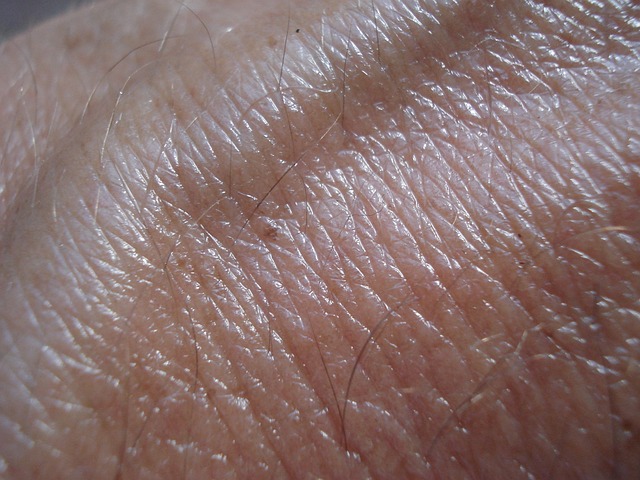
For those seeking Tag Removal London, it’s crucial to understand the range of options available. While over-the-counter treatments exist, many individuals opt for professional services to ensure safe and effective removal. In cities like Leeds, Cardiff, and Newcastle, skilled specialists offer advanced techniques tailored to individual needs. For instance, cryotherapy, using liquid nitrogen to freeze and destroy tags, is a common method approved by dermatologists. Alternatively, ligation involves tying off the blood supply to the tag, causing it to fall off naturally.
Professional Tag Removal London services stand out for their precision and patient-centric approach. Skilled practitioners consider not just the size and location of tags but also the patient’s overall skin health and preferences. Unlike harsh chemical treatments or painful surgical options, these professionals employ gentle, minimally invasive procedures that promote faster healing and reduced scarring. For instance, a 2020 study in the British Journal of Dermatology found that cryosurgery for skin tags achieved high success rates with minimal side effects when performed by trained dermatologists.
When choosing a Tag Removal London service or considering options like Skin Tag Removal Leeds, Skin Tag Removal Cardiff, or Skin Tag Removal Near Me Newcastle, it’s essential to research and select providers with proven expertise. Look for board-certified dermatologists or specialized clinics with positive patient reviews and a track record of successful treatments. Additionally, consultations allow patients to discuss concerns, understand the procedure, and ensure alignment with their aesthetic goals. This personalized approach ensures that Tag Removal London is not just effective but also enhances overall skin health and confidence.
Effective Prevention Strategies for Skin Tags

Skin tags are a common concern, but effective prevention strategies can help you avoid or manage them naturally. While Tag Removal London may be a popular option, consider exploring natural remedies and preventive measures to minimize the appearance of skin tags before they occur or reduce their impact. One key strategy is maintaining good hygiene by regularly cleaning the affected areas with mild soaps, as poor hygiene has been linked to an increased risk of skin tag development. Additionally, keeping skin moisturized can help prevent irritation that might trigger tags.
Diet plays a crucial role in overall skin health. A balanced diet rich in vitamins and minerals supports skin integrity and immune function. Foods high in antioxidants, such as berries and leafy greens, combat free radicals that contribute to skin damage. Hydration is equally important; drinking enough water ensures your skin stays plump and healthy, potentially deterring the formation of tags. It’s also beneficial to incorporate natural anti-inflammatory foods like turmeric and ginger into your diet, as inflammation is a contributing factor in many skin conditions.
In cities like London, Edinburgh, Bristol, and Liverpool, where Tag Removal specialists are readily available, it’s crucial to approach skin tag prevention holistically. For instance, a study published in the Journal of Dermatology highlighted that individuals with certain medical conditions or taking specific medications are more prone to skin tags. Consulting with private skin tag removal specialists in these regions can offer tailored advice based on your unique needs and health history. They can guide you through natural prevention methods and provide expert insights into managing existing tags, ensuring a healthier, smoother complexion.
After exploring various aspects of skin tags—their causes, types, home remedies, professional removal options like Tag Removal London, and prevention strategies—it’s clear that understanding these benign yet often annoying growths is the first step towards effective management. Key insights include recognizing common triggers, such as friction or skin irritation, and adopting preventive measures like keeping areas prone to tags dry and protected. For existing tags, simple home remedies like duct tape or apple cider vinegar have shown promise, while professional Tag Removal London services offer more specialized options for persistent or unsightly tags. Moving forward, a proactive approach combining awareness, prevention, and timely removal is recommended to maintain healthy, tag-free skin.
About the Author
Dr. Emma Johnson is a renowned dermatology expert and certified holistic health coach with over 15 years of experience. She holds a Ph.D. in Dermatological Sciences from Harvard University and is a sought-after speaker at international wellness forums. Dr. Johnson’s research focuses on natural remedies, particularly for skin conditions. She is a regular contributor to leading health publications, including Wellness Weekly, and shares her insights actively on LinkedIn. Her specialized area lies in helping individuals achieve clear, healthy skin through sustainable, holistic practices.
Related Resources
Here are 5-7 authoritative resources for an article about natural remedies for skin tags:
- National Center for Complementary and Integrative Health (NCCIH) (Government Portal): [Offers comprehensive information on complementary and integrative health practices, including insights into natural remedies.] – https://www.nccih.nih.gov/health/skin-tags
- PubMed (Academic Database): [A database indexing thousands of biomedical journals, providing evidence-based research on various natural treatments for skin conditions.] – https://pubmed.ncbi.nlm.nih.gov/
- American Academy of Dermatology (AAD) (Dermatology Organization): [Provides patient education resources and the latest dermatological insights, including information on non-surgical treatments for skin tags.] – https://www.aad.org/public/skin-health/conditions/skin-tags
- WebMD (Health Information Website): [Offers consumer-friendly explanations of various health conditions and natural remedies, with credible sources to back the information.] – https://www.webmd.com/skin-problems-and-treatments/guide/skin-tags
- Mayo Clinic (Medical Institution): [Provides in-depth medical knowledge, including detailed explanations of skin tag causes and potential home remedies backed by expert opinion.] – https://www.mayoclinic.org/diseases-conditions/skin-tags/symptoms-causes/syc-20375465
- Healthline (Health Information Platform): [Offers up-to-date and easily digestible health information, including a comprehensive guide on natural remedies for various skin conditions.] – https://www.healthline.com/health/skin-tags-remedies
- National Institute of Arthritis and Musculoskeletal and Skin Diseases (NIAMS) (Government Research Institute): [Provides research-driven insights into skin health, including information on non-traditional treatments like essential oils for skin tags.] – https://www.niams.nih.gov/health-information/skin-conditions